Blogs
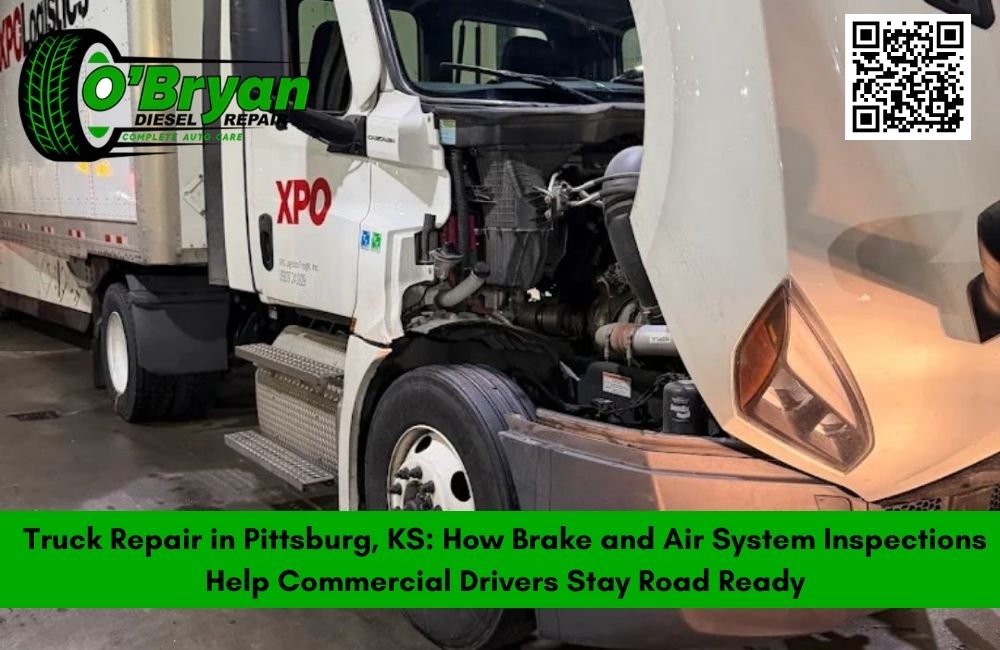
Truck Repair in Pittsburg, KS: How Brake and Air System Inspections Help Commercial Drivers Stay Road-Ready
Commercial drivers depend on reliable braking and air systems every day, especially when carrying heavy loads or operating on regional routes. Scheduling professional Truck repair in Pittsburg, KS, before warning signs turn into serious problems can help prevent unsafe driving conditions, costly downtime, and roadside failures. Routine brake and air system inspections give drivers and fleet managers a clearer picture of vehicle condition and help keep commercial trucks ready for daily work.
Why Brake and Air System Inspections Matter
Commercial braking systems are designed to handle significant weight, repeated stops, and long operating hours. That makes regular inspections essential.
A developing problem may begin with a minor air leak, unusual noise, or slow pressure buildup. Left unresolved, it can affect stopping distance, driver confidence, and overall vehicle safety.
Routine inspections help identify issues such as:
Worn brake components
Air leaks
Damaged hoses or fittings
Slow air-pressure buildup
Compressor problems
Faulty valves
Uneven brake wear
Warning system faults
Contaminated or damaged components
The sooner these issues are found, the easier it is to plan repairs before the truck is forced out of service.
How Commercial Air Brake Systems Work
Air brake systems use compressed air to activate braking components. Unlike hydraulic systems, they rely on compressors, reservoirs, lines, valves, chambers, and related parts working together.
The Air Compressor
The compressor creates the air pressure needed for the braking system.
If the compressor is not producing enough pressure, drivers may notice slower buildup or repeated low-pressure warnings.
Air Tanks
Compressed air is stored in reservoirs until the brakes are applied.
Moisture or contamination inside the tanks can create problems, especially during colder weather.
Brake Chambers
Brake chambers convert air pressure into mechanical force that applies the brakes.
Damaged chambers can cause air leaks, uneven braking, or reduced braking performance.
Air Lines and Fittings
Hoses and fittings carry compressed air throughout the system.
Cracks, loose connections, or damaged lines can reduce available pressure and create safety concerns.
Warning Signs Drivers Should Never Ignore
Drivers are often the first people to notice changes in braking performance.
Slow Air-Pressure Buildup
If the truck takes longer than usual to reach normal operating pressure, there may be a compressor, leak, valve, or air dryer problem.
Frequent Low-Air Warnings
Repeated low-air alerts may indicate pressure loss somewhere in the system.
A professional Truck Repair Shop can inspect the system and determine whether the problem is caused by a leak, weak compressor, faulty sensor, or another component.
Hissing Sounds
A noticeable hissing sound may indicate an air leak.
Drivers should pay attention to where and when the sound occurs, especially after braking or while the vehicle is parked.
Pulling While Braking
If the truck pulls to one side, the brakes may not be applying evenly.
Possible causes include:
Uneven brake wear
Damaged brake components
Air-delivery problems
Adjustment issues
Suspension or tire concerns
Grinding or Squealing
Unusual noises during braking may indicate worn friction material, damaged drums or rotors, or other mechanical concerns.
How Inspections Help Prevent Roadside Failures
Brake and air system problems rarely appear without warning.
A professional inspection can reveal developing issues before they create an emergency.
Detecting Air Leaks Early
Small leaks may not prevent normal operation at first, but they can worsen over time.
Technicians can inspect:
Lines
Fittings
Valves
Chambers
Reservoirs
Air dryers
Connections
Correcting leaks before pressure loss becomes severe helps prevent roadside shutdowns.
Identifying Brake Wear
Commercial brake components wear gradually.
Routine inspections help technicians identify when parts are approaching replacement limits rather than waiting for poor braking performance.
Checking Pressure and System Response
Brake inspections should include system pressure, buildup time, warning operation, and response under normal operating conditions.
This helps confirm that the system is functioning consistently.
Why Preventative Brake Maintenance Saves Money
Emergency brake repairs are often more expensive than scheduled maintenance.
Preventative service helps reduce:
Towing costs
Missed deliveries
Driver downtime
Emergency labor
Secondary component damage
Unexpected parts replacement
For fleets searching for Truck Repair Near Me, scheduled inspections can create a more predictable maintenance budget.
Common Brake Components That Need Attention
Commercial brake systems contain multiple wear components.
Brake Shoes or Pads
These components create the friction needed to stop the vehicle.
As they wear, stopping performance may decline.
Drums and Rotors
Excessive heat, wear, cracking, or scoring can affect braking efficiency.
Slack Adjusters
Slack adjusters help maintain proper brake adjustment.
Improper adjustment may lead to uneven or reduced braking performance.
Brake Chambers
Damaged chambers can leak air and reduce braking force.
Air Dryers
Air dryers help remove moisture from the system.
A failing dryer can allow water contamination that may damage valves or freeze in cold conditions.
How Weather Affects Brake and Air Systems
Seasonal conditions can influence braking reliability.
Hot Weather
High temperatures can increase brake heat, especially during heavy hauling or repeated braking.
Drivers should watch for:
Reduced braking performance
Burning odors
Excessive heat
Unusual noises
Cold Weather
Freezing temperatures can create problems when moisture remains inside the air system.
This may affect:
Valves
Air lines
Reservoirs
Pressure buildup
Routine seasonal inspections can reduce these risks.
When Mobile Service May Help
Not every brake or air system issue requires immediate towing.
Professional Mobile Truck Repair may assist when the vehicle is safely parked and the problem can be diagnosed or repaired on-site.
Mobile technicians may be able to:
Locate air leaks
Replace damaged hoses
Inspect fittings
Test pressure
Diagnose warning lights
Check brake chambers
Perform minor repairs
However, major brake replacement, extensive air system repair, or structural concerns may require service inside a repair facility.
When the Truck Should Go to a Shop
A Truck Repair Shop Near Me is usually the better option when the truck needs:
Major brake replacement
Drum or rotor service
Advanced compressor repair
Extensive valve replacement
Large air-system repairs
Suspension-related brake work
Complex electrical diagnosis
Detailed safety inspections
Controlled shop conditions give technicians access to lifting equipment, tools, and testing systems that may not be practical roadside.
How Fleet Managers Can Build Better Brake Maintenance Plans
Fleet maintenance should be proactive rather than reactive.
Track Inspection Intervals
Schedule inspections based on:
Mileage
Engine hours
Route conditions
Load weight
Driving environment
Manufacturer recommendations
High-use vehicles may require more frequent checks.
Review Driver Reports
Drivers should report:
New warning lights
Air leaks
Brake noise
Pulling
Changes in stopping distance
Slow pressure buildup
Unusual pedal response
Prompt reporting helps technicians address problems earlier.
Keep Service Records
Document:
Inspection dates
Parts replaced
Air leaks repaired
Brake measurements
Driver complaints
Follow-up recommendations
These records help identify patterns and improve long-term planning.
Why Local Service Matters in Pittsburg, KS
Commercial drivers in Pittsburg and Southeast Kansas may operate in freight, construction, agriculture, local delivery, and regional hauling.
A local Diesel Repair Shop can provide:
Faster scheduling
Easier follow-up
Familiarity with regional operating conditions
Ongoing maintenance support
Better communication
Local roadside assistance
For businesses managing multiple vehicles, local service can simplify scheduling and improve repair consistency.
Questions Drivers Should Ask During a Brake Inspection
A good inspection should provide clear answers.
Ask:
Are the Brakes Wearing Evenly?
Uneven wear may point to adjustment, air delivery, suspension, or component issues.
Are There Any Air Leaks?
Even minor leaks should be documented and monitored.
Is Air Pressure Building Normally?
Slow buildup may indicate a compressor, valve, line, or dryer problem.
Which Repairs Are Urgent?
Technicians should separate safety-critical repairs from items that can be scheduled later.
Is the Truck Safe to Operate?
Drivers should leave with a clear understanding of current vehicle condition.
Frequently Asked Questions
How often should commercial brakes be inspected?
Inspection frequency depends on mileage, load, route conditions, and vehicle use. High-mileage or stop-and-go trucks may require more frequent checks.
What causes slow air-pressure buildup?
Possible causes include air leaks, compressor wear, valve problems, clogged lines, or air dryer issues.
Can a small air leak wait?
A small leak may worsen and eventually affect braking performance. It should be inspected promptly.
Can mobile technicians repair air brake problems?
Some hose, fitting, chamber, and minor air-system issues may be repaired on-site. Larger repairs may require shop equipment.
Should drivers continue operating with a brake warning light?
No warning should be ignored. Professional diagnosis is recommended before regular operation continues.
Keep Your Truck Ready for the Road
Reliable braking depends on consistent inspections, prompt repairs, and attention to small warning signs before they become serious problems. Commercial drivers who monitor air pressure, braking response, unusual sounds, and warning lights are better positioned to avoid unexpected failures.
O’Bryan Diesel Repair provides diagnostics, brake and air system service, preventative maintenance, roadside support, and professional repairs for commercial vehicles in Pittsburg, KS. If you need dependable service from a Diesel Repair Near Me provider, contact a local team focused on safety, reliability, and keeping your truck road-ready.
O’Bryan Diesel Repair
O’Bryan Diesel Repair
2501 N Broadway St Pittsburg, KS 66762
+1 (620) 670-1185

Our Service Area
Call for Repair in Pittsburg, KS
Need dependable auto repair in Pittsburg, KS from a team that values honest service and quality workmanship? Contact O'Bryan Auto Repair at +1 620-670-1185 to schedule service, ask questions, or get the help you need for your next car repair or car maintenance visit.