Save now with limited-time specials on oil changes, alignments, coolant service and more. View all Specials
Blogs
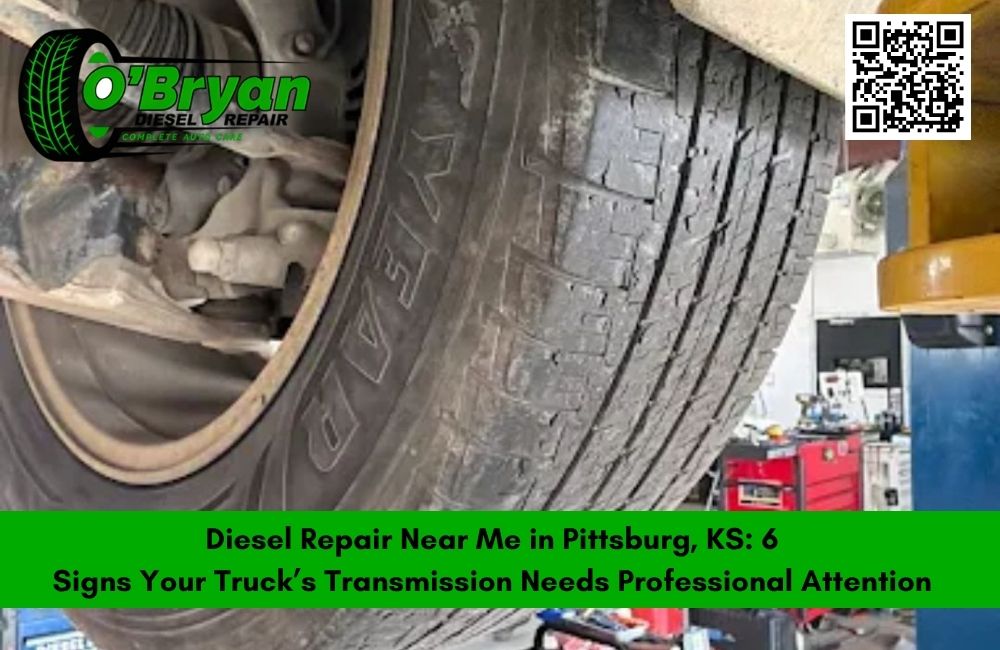
Diesel Repair Near Me in Pittsburg, KS: 6 Signs Your Truck’s Transmission Needs Professional Attention
Transmission problems rarely fix themselves, and delaying service can turn a manageable issue into a major repair. If you are searching for Diesel Repair Near Me in Pittsburg, KS, because your truck is shifting differently, slipping under load, or making unusual noises, it is important to act early. Commercial transmissions work under heavy stress, and even small changes in performance can affect safety, fuel efficiency, delivery schedules, and long-term operating costs.
Why Transmission Problems Matter for Commercial Trucks
A commercial truck transmission is responsible for transferring engine power to the drivetrain under changing loads, road conditions, and speeds. When that system begins to fail, the truck may struggle to accelerate, pull a trailer, maintain speed, or shift smoothly.
Ignoring early symptoms can lead to:
Longer downtime
Expensive internal damage
Roadside breakdowns
Missed delivery windows
Reduced fuel efficiency
Increased wear on related drivetrain components
For owner-operators and fleet managers, early diagnosis is usually far less disruptive than waiting until the truck can no longer move.
1. The Truck Slips Between Gears
Transmission slipping is one of the clearest signs that a truck needs professional attention.
What Slipping Feels Like
You may notice:
Engine RPM rising without matching acceleration
A delay before the truck moves
Loss of pulling power
Gear changes that feel incomplete
Difficulty holding a gear under load
Slipping can happen in both automatic and manual transmission systems, although the causes may differ.
Possible Causes
The issue may involve:
Low transmission fluid
Contaminated fluid
Worn clutch components
Internal transmission wear
Valve body problems
Electronic control faults
Hydraulic pressure issues
A qualified Truck Repair Shop can test the system and determine whether the problem is mechanical, hydraulic, or electronic.
2. Shifting Becomes Hard, Delayed, or Unpredictable
A healthy transmission should shift consistently. When the truck begins hesitating, jerking, or changing gears at unexpected times, something may be wrong.
Delayed Engagement
If there is a noticeable pause after selecting drive or reverse, the transmission may have a fluid-pressure, control, or internal wear problem.
Hard Shifting
A sudden jolt between gears may be caused by:
Incorrect fluid pressure
Faulty sensors
Solenoid problems
Clutch wear
Internal transmission damage
Electronic control issues
Erratic Gear Changes
If the truck shifts too early, too late, or repeatedly changes gears, professional diagnostics should be performed before the issue worsens.
Prompt Truck repair can help prevent abnormal shifting from damaging additional components.
3. You Hear Grinding, Clunking, or Whining
Commercial trucks naturally produce mechanical noise, but new transmission sounds should never be ignored.
Grinding Sounds
Grinding during gear changes may indicate worn gears, synchronizers, clutch components, or lubrication problems.
Clunking
A heavy clunk when shifting into gear or changing speed may involve:
Worn transmission mounts
Driveline play
U-joint problems
Internal transmission wear
Differential issues
Whining or Humming
A high-pitched whining sound can sometimes indicate:
Low fluid
Bearing wear
Pump problems
Internal gear damage
Because several drivetrain components can produce similar noises, accurate diagnosis is essential.
4. Transmission Fluid Is Leaking or Looks Burnt
Transmission fluid protects internal components, controls hydraulic pressure, and helps manage operating temperature.
A leak should be treated as a warning.
Common Leak Signs
Drivers may notice:
Fluid under the truck
Low fluid levels
Slow or hard shifting
A burning smell
Transmission overheating
What Burnt Fluid May Mean
Healthy transmission fluid should not smell burnt. Dark or burnt-smelling fluid may indicate overheating, clutch wear, or internal contamination.
A professional Diesel Repair Shop can inspect the fluid condition and determine whether the problem involves a simple leak, overdue maintenance, or deeper transmission damage.
5. The Truck Loses Pulling Power Under Load
A transmission problem may not be obvious when the truck is empty or driving slowly.
The symptoms often become more noticeable when:
Pulling a trailer
Climbing a hill
Accelerating onto a highway
Carrying a heavy load
Driving at higher speeds
Engine Power vs. Transmission Power
It is important to distinguish between engine power loss and transmission slipping.
If the engine revs normally but the truck does not accelerate properly, the transmission or clutch may be failing to transfer power.
If engine RPM does not increase normally and the truck struggles to produce power, the issue may involve the fuel, air, turbo, emissions, or engine systems instead.
A complete inspection can determine where the loss is occurring.
6. Warning Lights or Transmission Fault Codes Appear
Modern commercial trucks monitor transmission performance electronically.
A dashboard warning may indicate:
Excessive transmission temperature
Sensor failure
Solenoid issues
Gear-ratio faults
Pressure problems
Communication errors
Clutch or shift-control concerns
Do Not Rely on the Warning Light Alone
A fault code points technicians toward the affected system, but it may not identify the exact failed component.
Professional diagnosis should include:
Electronic scanning
Fluid inspection
Pressure testing
Wiring checks
Road testing
Sensor evaluation
Mechanical inspection
Drivers searching for Truck Repair Near Me should choose a provider that diagnoses the cause instead of clearing the warning and sending the truck back out.
When Should You Stop Driving?
Some transmission symptoms require immediate attention.
Stop operating the truck when you experience:
Severe slipping
Loss of forward or reverse movement
Loud grinding
Transmission overheating
Major fluid loss
Burning odor
Sudden loss of pulling power
Severe vibration
Repeated warning messages
Continuing to drive may damage gears, clutches, bearings, seals, or other drivetrain components.
If the truck cannot move safely, Mobile Truck Repair may help with roadside diagnostics and determine whether towing or in-shop repair is necessary.
What Causes Commercial Transmission Problems?
Transmission issues often develop because of wear, heat, heavy loads, poor maintenance, or related drivetrain problems.
Heat
Excessive temperature breaks down fluid and accelerates internal wear.
Common causes include:
Heavy hauling
Long climbs
Low fluid
Cooling problems
Internal slipping
Incorrect or Contaminated Fluid
Using the wrong fluid or running contaminated fluid can affect lubrication and hydraulic operation.
Heavy Loads
Commercial trucks are designed to work hard, but repeated overload conditions increase stress on transmission and clutch components.
Delayed Maintenance
Ignoring recommended fluid, filter, clutch, or driveline service can shorten transmission life.
Related Drivetrain Problems
A transmission may appear to be failing when the actual problem involves:
Clutch components
Driveshafts
U-joints
Differentials
Mounts
Wheel-end resistance
This is why a full drivetrain inspection matters.
Automatic vs. Manual Transmission Warning Signs
Different transmission types may show different symptoms.
Automatic Transmissions
Watch for:
Delayed engagement
Slipping
Harsh shifts
Gear hunting
Overheating
Warning lights
Manual Transmissions
Common symptoms include:
Grinding during shifts
Clutch slipping
Difficulty selecting gears
Gear popping out
Noisy bearings
Excessive clutch pedal changes
Technicians familiar with commercial diesel vehicles can identify whether the issue involves the transmission itself, clutch system, or related components.
How Preventative Maintenance Helps
Transmission failures are not always preventable, but regular maintenance can significantly reduce the risk.
Check Fluid Regularly
Monitor:
Fluid level
Color
Odor
Evidence of contamination
Leaks around seals and lines
Follow Service Intervals
Transmission fluid and filter replacement should follow manufacturer recommendations and actual operating conditions.
Severe-duty use may require more frequent maintenance.
Inspect the Driveline
U-joints, driveshafts, mounts, differentials, and related components should be checked for looseness and wear.
Watch Operating Temperature
Overheating should be investigated promptly.
Repeated high temperatures can damage seals, fluid, clutches, and internal components.
Fleet managers looking for a dependable Truck Repair Shop should choose a provider that helps track maintenance intervals and recurring transmission concerns.
Why Local Service Matters in Pittsburg, KS
Commercial trucks operating in Pittsburg and Southeast Kansas may handle freight, construction, agricultural work, local delivery, regional hauling, and heavy-duty fleet operations.
A local repair partner can offer:
Easier access to diagnostics
Faster follow-up service
Better continuity of repair records
Familiarity with regional operating demands
Roadside and in-shop support
Clear communication with drivers and fleet managers
For operators managing tight schedules, these advantages can help reduce unnecessary downtime.
What to Tell the Technician
Clear information helps speed up diagnosis.
When scheduling transmission service, explain:
When the problem began
Whether the truck is loaded
Which gears are affected
Whether the issue occurs hot or cold
Any warning lights
Recent fluid or transmission service
Unusual smells or noises
Whether the truck still moves normally
The more detailed the description, the easier it is to reproduce the problem.
Frequently Asked Questions
Can low transmission fluid cause slipping?
Yes. Low fluid can reduce hydraulic pressure and lubrication, leading to slipping, overheating, or delayed engagement.
Does a transmission always need rebuilding when it slips?
No. Slipping can be caused by fluid problems, sensors, solenoids, clutch issues, or internal wear. Proper diagnosis should come before major repair decisions.
Is it safe to drive with a transmission warning light?
It depends on the fault. Some warnings indicate conditions that can quickly damage the transmission. Professional diagnosis is recommended as soon as possible.
Can a bad clutch feel like transmission failure?
Yes. On manual trucks, clutch slipping or engagement problems can create symptoms similar to transmission trouble.
How can fleets reduce transmission repair costs?
Routine maintenance, fluid inspections, driver reporting, avoiding overload conditions, and early diagnosis can help prevent more expensive failures.
Address Transmission Problems Before They Stop the Truck
Transmission symptoms are easier and usually less expensive to manage when drivers respond early. Slipping, hard shifts, unusual noises, leaks, warning lights, and reduced pulling power all deserve professional attention.
O’Bryan Diesel Repair provides commercial diagnostics, engine and transmission service, preventative maintenance, roadside support, and professional repairs in Pittsburg, KS. If your truck is shifting differently or losing pulling power, schedule service before a developing transmission problem becomes a route-ending breakdown.
O’Bryan Diesel Repair
O’Bryan Diesel Repair
2501 N Broadway St Pittsburg, KS 66762
+1 (620) 670-1185

Our Service Area
Call for Repair in Pittsburg, KS
Need dependable auto repair in Pittsburg, KS from a team that values honest service and quality workmanship? Contact O'Bryan Auto & Diesel Repair at +1 620-670-1185 to schedule service, ask questions, or get the help you need for your next car repair or car maintenance visit.