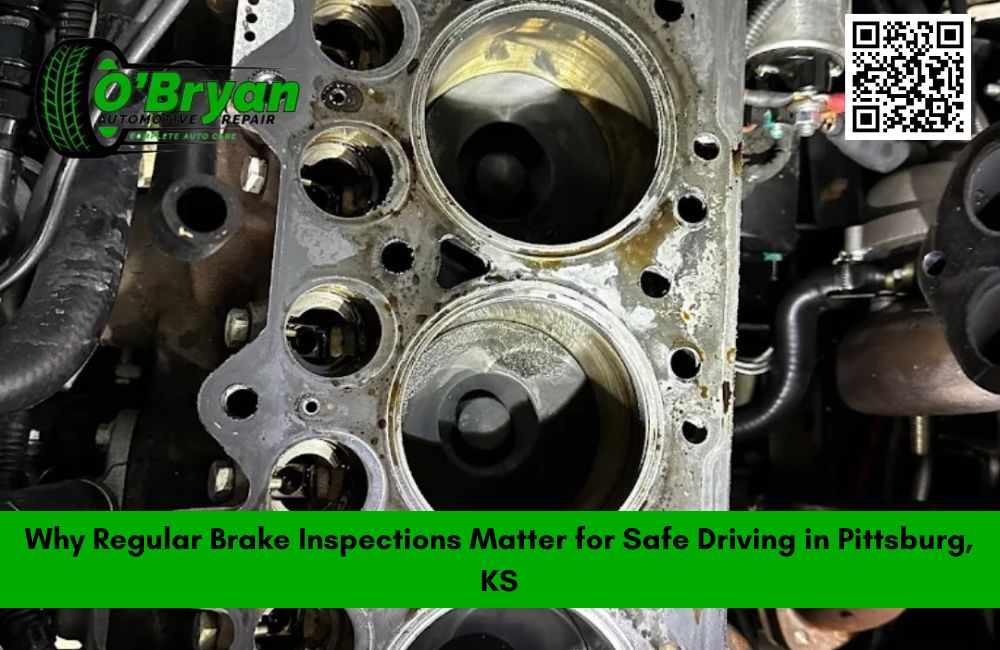
Why Regular Brake Inspections Matter for Safe Driving in Pittsburg, KS
Regular brake inspections are essential for protecting your vehicle, your passengers, and everyone else on the road. When drivers search for Brake Repair Near Me, they are often already hearing noise or noticing changes in stopping performance. A proactive inspection can identify wear before it becomes a safety risk or leads to more expensive damage.
At O’Bryan Auto Repair & Tires, drivers in Pittsburg, Kansas, can have their braking systems checked as part of a practical vehicle-care plan. Early attention helps preserve stopping power, reduce uncertainty, and keep daily travel safer.
Why Are Brake Inspections Important?
Brake inspections help identify worn pads, damaged rotors, fluid concerns, sticking calipers, and other issues before they affect stopping ability. Regular checks may also lower repair costs by preventing worn parts from damaging surrounding components.
Drivers should schedule an inspection when they notice noise, vibration, pulling, warning lights, pedal changes, or longer stopping distances.
Brakes Wear Gradually
Brake components do not usually fail all at once. Pads, rotors, calipers, hoses, and fluid can deteriorate slowly over time.
Because the decline may be gradual, drivers sometimes become used to reduced performance without realising it. A professional inspection provides a clearer picture of the system’s actual condition.
Common Factors That Affect Brake Wear
Brake life can vary based on:
Driving habits
Vehicle weight
Stop-and-go traffic
Highway versus city driving
Towing or hauling
Road conditions
Brake component quality
Maintenance history
A vehicle used for frequent short trips may wear brakes differently from one driven mostly on open roads.
What a Brake Inspection Should Include
A complete brake inspection should evaluate more than just the brake pads.
Brake Pads
Brake pads create friction against the rotors to slow the vehicle. As they wear thinner, stopping performance may decline and noise may increase.
If pads are replaced before they are completely worn, drivers may avoid damage to the rotors and other parts.
Brake Rotors
Rotors should be inspected for:
Uneven wear
Grooves
Cracks
Heat damage
Warping
Thickness concerns
Damaged rotors may cause vibration, pulsation, noise, or reduced braking performance.
Brake Calipers
Calipers press the pads against the rotors. A sticking or seized caliper may cause uneven wear, pulling, heat buildup, or a burning smell near one wheel.
Brake Fluid
Brake fluid transfers pressure through the hydraulic system. Low, contaminated, or moisture-affected fluid may reduce performance and contribute to internal corrosion.
Brake Hoses and Lines
Hoses and lines should be checked for leaks, cracks, corrosion, swelling, or damage. Fluid loss can reduce braking pressure and create a serious safety concern.
Warning Signs Your Brakes Need Attention
Drivers should not wait for complete brake failure before scheduling service.
Squealing or Squeaking
A high-pitched sound may indicate worn pads or a brake-wear indicator contacting the rotor.
Occasional light noise can happen under certain conditions, but repeated or worsening squealing should be checked.
Grinding
Grinding often means brake material is severely worn. Metal-to-metal contact can damage rotors and increase repair costs.
Vibration While Braking
A shaking steering wheel or pulsating pedal may point to uneven rotors, heat damage, loose components, or other braking concerns.
A Soft or Spongy Pedal
A pedal that feels lower or softer than normal may involve brake fluid, air in the hydraulic system, leaks, or internal component failure.
Longer Stopping Distances
If the vehicle takes longer to slow down, braking performance may be compromised. Worn parts, overheated brakes, low fluid, or poor tire traction may contribute.
Pulling to One Side
Pulling during braking may result from uneven pad wear, a sticking caliper, tire issues, suspension problems, or hydraulic imbalance.
A professional Auto Repair Shop can inspect the complete vehicle to identify the actual source.
Why Early Brake Service Can Save Money
Brake inspections are not only about safety. They can also help reduce long-term repair costs.
For example, replacing worn brake pads early may prevent damage to the rotors. Addressing a sticking caliper may help avoid uneven tire wear and excessive heat. Repairing a small fluid leak may prevent more serious hydraulic problems.
Timely Auto Repair allows drivers to address manageable concerns before they become more complex.
How Brakes and Tires Work Together
Brakes can only stop the wheels effectively when the tires maintain proper contact with the road. Worn, damaged, or underinflated tires may increase stopping distances even when the braking system is in good condition.
Tire Conditions That Affect Braking
Watch for:
Low tread depth
Uneven wear
Incorrect pressure
Sidewall damage
Poor wet-road traction
Wheel alignment concerns
A Tire Rotation Near Me service can help promote even wear, but it should also include a visual check for tread and inflation concerns.
Brakes and tires should be evaluated together when a vehicle pulls, vibrates, or feels unstable.
Seasonal Conditions and Brake Performance
Weather can affect both brake components and road traction.
Rain and Wet Roads
Wet pavement can increase stopping distances. Worn tires, worn brake pads, and reduced visibility make wet-weather driving more demanding.
Hot Weather
Repeated braking can generate substantial heat. When components overheat, drivers may notice fading, odours, or reduced performance.
Cold and Moist Conditions
Moisture may create temporary surface rust on brake rotors. Light rust may clear after normal use, but persistent noise or grinding should be inspected.
Seasonal Car Maintenance should include brake, tire, fluid, and battery checks.
When Should Brake Inspections Be Scheduled?
There is no single schedule that fits every vehicle. Drivers should follow the manufacturer’s guidance and consider how the vehicle is used.
Brake inspections are especially important:
During routine service visits
Before long trips
After buying a used vehicle
When warning signs appear
After towing or heavy use
Following a hard road impact
After a collision
When tire wear becomes uneven
A dependable Car Repair Shop can help determine an appropriate inspection interval based on the vehicle’s condition and driving patterns.
Brake Problems After a Collision
A collision or road impact can affect more than exterior panels. Braking, steering, suspension, tires, wheels, and sensors may also be involved.
An Auto Body Shop or Body Shop generally focuses on visible damage, paint, panels, and body structure. Mechanical inspection is also important when braking performance changes after an impact.
Symptoms to Watch After an Impact
Schedule service if you notice:
Pulling while braking
New vibration
Dashboard warnings
Fluid leaks
Uneven tire wear
Steering changes
Unusual noises
Longer stopping distances
After Collision Repair, drivers should confirm that the vehicle stops straight and responds normally.
A Collision Repair Shop may address structural concerns, but mechanical testing can help identify issues affecting drivability and safety.
Why Clear Communication Matters
Drivers should understand what a brake inspection found and which services are urgent.
A trustworthy shop should explain:
Which components are worn
Whether the vehicle is safe to drive
What should be repaired first
What may be monitored
How the problem affects braking
What may happen if service is delayed
Clear explanations help customers make informed decisions without pressure or confusion.
Brake Care for Different Vehicle Types
Brake systems vary across domestic, Asian, European, diesel, luxury, and electric vehicles.
Some modern vehicles use:
Electronic parking brakes
Regenerative braking
Advanced driver-assistance systems
Brake-wear sensors
Electronic stability controls
Model-specific service procedures
O’Bryan Auto Repair & Tires services a broad range of vehicle makes, including Ford, Chevrolet, Toyota, Honda, BMW, Mercedes-Benz, Tesla, Rivian, and many others.
Proper service should follow the manufacturer’s specifications for the specific vehicle.
Frequently Asked Questions
How do I know if my brake pads are worn?
Common signs include squealing, grinding, reduced stopping power, vibration, or a brake warning light. An inspection is the best way to measure remaining pad material.
Can I drive with grinding brakes?
Driving with grinding brakes is not recommended. The pads may be severely worn, and continued driving can damage the rotors or reduce safe stopping performance.
Why does my steering wheel shake when braking?
This may be caused by uneven rotors, brake wear, suspension concerns, wheel issues, or tire problems. A complete inspection is needed.
How often should brake fluid be changed?
The correct interval varies by manufacturer. Brake fluid should be tested and serviced according to vehicle guidance and its condition.
Does an oil service include a brake inspection?
An Oil Change visit may include a basic visual check, but drivers should confirm whether a full brake inspection is part of the service.
Schedule a Brake Inspection in Pittsburg, KS
Brake problems often begin with subtle warning signs. A timely inspection can help protect stopping performance, reduce repair costs, and provide confidence every time you drive.
Contact O’Bryan Auto Repair & Tires to schedule a brake inspection, diagnostic service, tire check, maintenance visit, or help with an unexpected vehicle concern.
Business Information
O’Bryan Auto Repair & Tires
2501 N Broadway St Pittsburg, KS 66762, United States
Phone: +1 (620) 670-1185
